Introduction
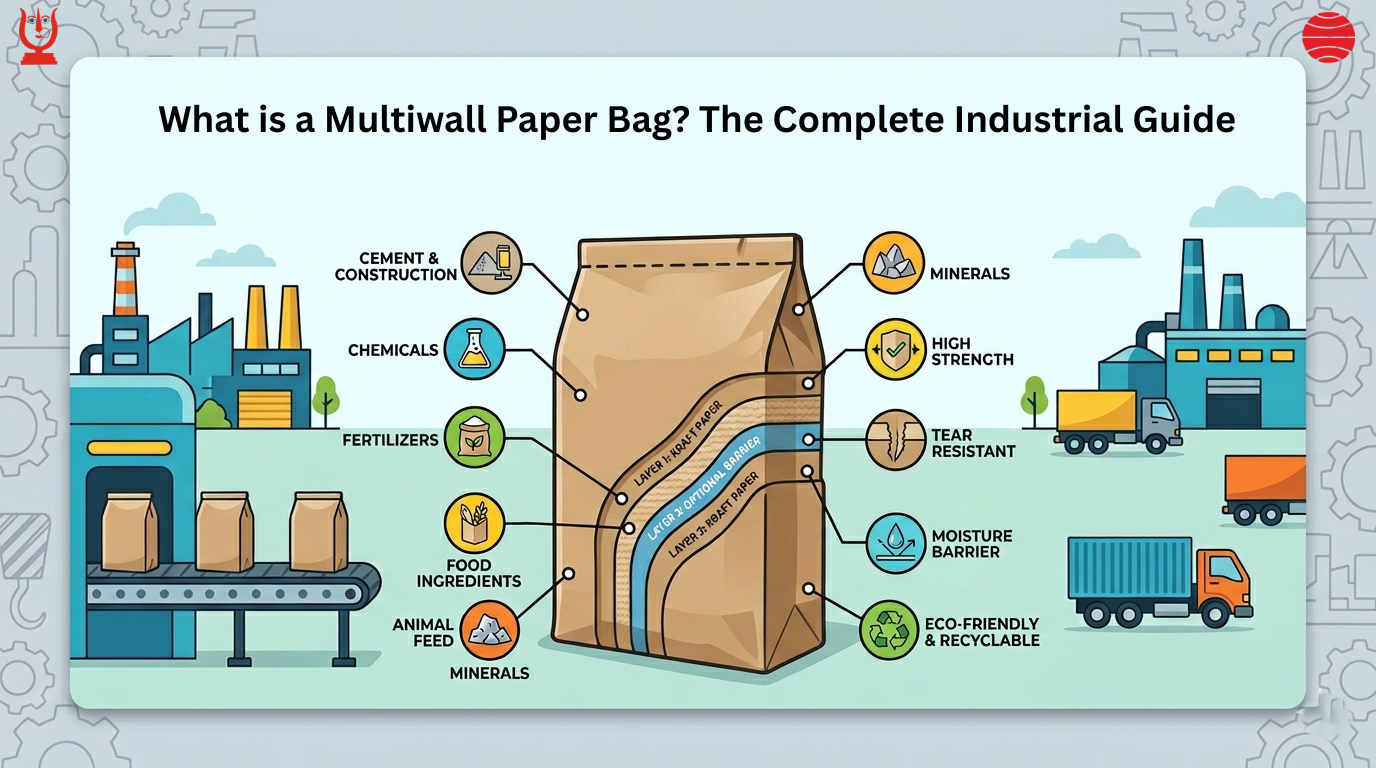
A multiwall paper bag is a heavy-duty industrial packaging bag made from multiple layers of kraft paper. These layers, also called “walls,” are combined to create a strong and durable bag that can safely store and transport bulk materials such as cement, flour, chemicals, fertilizers, minerals, and animal feed. Because of their strength and reliability, multiwall paper bags are widely used in industrial and commercial packaging.
The main purpose of a multiwall paper bag is to provide high load capacity, product protection, and cost-effective bulk packaging. The multiple kraft paper layers help the bag handle heavy weights, rough handling, and transportation stress. In some cases, manufacturers also add inner liners or moisture barriers to protect sensitive materials from humidity and contamination.
Another key advantage of multiwall paper bag packaging is its versatility. These bags can be manufactured in different formats such as valve bags, open mouth bags, pinch bottom bags, and sewn bags, depending on the product type and filling process.
Due to their strength, printability, and eco-friendly nature, multiwall paper bags have become a popular solution for industrial packaging and bulk material handling across many industries.
Multiwall Paper Bag Structure: Key Components, Layers, and Materials
To understand why multiwall paper bags are widely used in industrial packaging, it is important to look at their structure and key components. The design of a multiwall paper bag focuses on strength, durability, and protection for bulk materials such as cement, chemicals, fertilizers, and food ingredients.
A standard multiwall paper bag is built using several layers and structural elements that improve performance during storage, transportation, and filling processes.
1. Multiple Kraft Paper Layers (Walls)
The most important feature of a multiwall paper bag is its multiple layers of kraft paper.
- Typically made with 2 to 5 layers of kraft paper
- Each layer adds extra strength and durability
- Helps the bag handle heavy loads and stacking pressure
- Provides tear resistance during transport and handling
The outer layer is often used for printing branding, product details, and handling instructions, making multiwall bags ideal for industrial and commercial packaging.
2. Inner Liners and Barrier Layers
For products that require additional protection, multiwall paper bags may include inner liners.
Common liner materials include:
- Polyethylene (PE) liners for moisture resistance
- Laminated paper layers for extra product protection
- Barrier coatings to prevent contamination or dust leakage
These liners are especially important when packaging food ingredients, powdered chemicals, minerals, and fertilizers that must remain dry and uncontaminated.
3. Bag Closure and Construction
The closure type is another key structural component that determines how the bag is filled and sealed.
Common construction types include:
- Valve Bags – Designed for automated filling systems used in industries like cement and chemicals
- Open Mouth Bags – Filled from the top and sealed by sewing, gluing, or heat sealing
- Pinch Bottom Bags – Often used for food products and fine powders
The right closure type helps improve filling efficiency, sealing strength, and packaging speed.
4. Bottom Structure and Sealing
The bottom of a multiwall paper bag is designed to support heavy materials and maintain bag stability.
Common bottom styles include:
- Pasted valve bottom
- Sewn bottom
- Pinch bottom seal
These structures ensure the bag remains secure during transportation, stacking, and storage.
Because of this layered structure, protective liners, and strong sealing methods, multiwall paper bags provide excellent strength and reliability for industrial packaging. Their design makes them suitable for bulk packaging of powders, granules, and dry materials across many industries.
In the next section, we will explore the different types of multiwall paper bags used in industrial packaging, including valve bags, open mouth bags, and pinch bottom bags.
Types of Multiwall Paper Bags Used in Industrial Packaging
Multiwall paper bags are available in different designs to suit various industrial packaging needs and filling methods. The type of multiwall paper bag used depends on factors such as the product type, packaging process, and sealing method. Choosing the right bag type helps improve packaging efficiency, product protection, and handling during transportation.
Some of the most common types of multiwall paper bags include:
Valve Bags
Valve bags are designed for high-speed automated filling systems. They include a small valve opening that allows materials such as cement, chemicals, and fine powders to be filled quickly and sealed automatically.
Open Mouth Bags
Open mouth multiwall paper bags have a wide top opening that makes them easy to fill. These bags are typically sealed using sewing, gluing, or heat sealing and are commonly used for animal feed, fertilizers, and food ingredients.
Pinch Bottom Bags
Pinch bottom bags feature a sealed bottom and adhesive-sealed top, providing a clean and secure closure. They are often used for flour, starch, and other food-grade products.
Sewn Open Mouth (SOM) Bags
Sewn open mouth bags are closed by stitching the top after filling. These bags are ideal for heavy-duty packaging applications such as agriculture products and bulk materials.
Each of these multiwall paper bag types is designed to support specific industrial packaging operations and product requirements.
In the next section, we will look at the key features and benefits of multiwall paper bags, and why they are widely used for bulk industrial packaging.
What are Key Features and Benefits of Multiwall Paper Bags
Multiwall paper bags are widely used in industrial packaging because they provide strong, reliable, and cost-effective packaging for bulk materials such as cement, chemicals, fertilizers, and food ingredients.
Key benefits of multiwall paper bags include:
High Strength – Multiple layers of kraft paper provide excellent durability and allow the bag to carry heavy industrial products.
Efficient Packaging – Compatible with automated and manual filling systems, improving packaging speed in industrial operations.
Product Protection – Optional inner liners and barrier coatings help protect materials from moisture, dust, and contamination.
Custom Printing – Kraft paper surfaces allow high-quality printing for branding and product information.
Eco-Friendly – Often made from recyclable kraft paper, making them a more sustainable industrial packaging option.
Because of these advantages, multiwall paper bags are a preferred solution for bulk packaging and material handling across many industries.
Common Applications and Industries Using Multiwall Paper Bags
Multiwall paper bags are widely used across many industries for bulk packaging and transportation of dry materials. Their strong multi-layer construction and ability to handle heavy loads make them ideal for industrial and commercial packaging applications.
Some of the most common industries that use multiwall paper bags include:
Construction Industry
Multiwall paper bags are commonly used for packaging cement, mortar, plaster, and other construction materials. Valve bags are especially popular because they support high-speed automated filling systems.
Agriculture and Animal Feed
These bags are widely used for packaging animal feed, seeds, grains, and fertilizers. Their durability helps protect agricultural products during storage and transportation.
Food and Ingredients Industry
Multiwall paper bags are used to package flour, sugar, starch, baking mixes, and other food ingredients. Many bags include food-grade liners to maintain product safety and quality.
Chemical and Mineral Industry
Industrial powders, minerals, and chemical products are often packed in multiwall paper bags because they offer strong protection and reliable handling during shipping.
Because of their strength, flexibility, and protective features, multiwall paper bags have become a standard packaging solution for many bulk material industries.
Materials and Manufacturing Process of Multiwall Paper Bags
The performance of a multiwall paper bag largely depends on the materials used and the manufacturing process. These bags are specifically engineered to handle bulk industrial materials such as cement, chemicals, fertilizers, and food ingredients, which require strong and reliable packaging.
Kraft Paper as the Primary Material
The main material used in multiwall paper bag manufacturing is kraft paper. Kraft paper is produced from wood pulp using the kraft process, which creates paper with high tensile strength and tear resistance. Because of these properties, kraft paper is widely used in industrial packaging applications.
Manufacturers may use different grades of kraft paper depending on the required bag strength, product weight, and handling conditions.
Layer Construction and Bag Formation
The term “multiwall” refers to the multiple layers of paper used in the bag’s construction. Most bags contain two to five layers of kraft paper, which are combined to improve durability and load capacity.
During production, the paper layers are shaped into tubular bag forms, and the bag type such as valve bags or open mouth bags is created based on the intended filling system.
Adding Liners and Protective Barriers
For products that are sensitive to moisture or contamination, manufacturers may add polyethylene liners or barrier coatings inside the bag. These protective layers help maintain product quality, especially for food ingredients, chemicals, and powdered materials.
Printing and Finishing
The final step in the manufacturing process involves printing and finishing the bag. The outer kraft paper layer allows high-quality printing, which enables businesses to add:
- Branding and logos
- Product details
- Handling instructions
This makes multiwall paper bags not only functional but also effective for product identification and branding in industrial supply chains.
Multiwall Paper Bags vs Other Industrial Packaging Options
Businesses often compare multiwall paper bags with other types of industrial packaging before choosing the right solution for bulk materials. The comparison below highlights how multiwall bags perform against other common packaging options.
Why Multiwall Paper Bags Are a Sustainable Packaging Solution
As businesses focus more on sustainable industrial packaging, multiwall paper bags are increasingly preferred because they are made from renewable kraft paper and help reduce reliance on plastic packaging.
Recyclability of Multiwall Paper Bags
- Made primarily from kraft paper, which is widely recyclable and biodegradable
- Can often be processed through standard paper recycling systems
- Helps reduce industrial packaging waste in supply chains
- Some bags with minimal liners may still be recyclable depending on local recycling facilities
Sustainable Kraft Paper Sourcing
- Produced using wood pulp from responsibly managed forests
- Many manufacturers follow sustainable forestry practices
- Certifications like FSC (Forest Stewardship Council) support responsible raw material sourcing
- Helps companies meet sustainability and ESG goals
Reducing Plastic Packaging in Industrial Supply Chains
- Provides an alternative to single-use plastic packaging
- Supports eco-friendly bulk packaging for powders and dry materials
- Helps companies improve sustainable supply chain practices
- Maintains strength and reliability for industrial packaging applications
How to Choose the Right Multiwall Paper Bag for Your Business
Selecting the right multiwall paper bag is important to ensure safe packaging, efficient filling, and proper product protection. Businesses should consider several factors before choosing the most suitable bag type.
Factors to Consider (Product Type, Weight, Moisture)
The type of product being packaged plays a key role in selecting the right bag. Businesses should evaluate:
- Product weight and density
- Moisture sensitivity
- Powder or granular material type
These factors determine the required number of paper layers, bag strength, and liner options.
Selecting the Right Bag Closure Type
Different industries require different bag closure systems based on their filling process. Common options include:
- Valve bags for automated filling systems
- Open mouth bags for manual or semi-automatic filling
- Pinch bottom bags for secure sealing of fine powders
Choosing the correct closure type improves packaging efficiency and product safety.
Compliance and Industry Standards
Certain industries such as food, chemicals, and agriculture must follow specific packaging regulations. Businesses should ensure the selected multiwall paper bags meet industry standards, including food safety or material handling requirements.
Working With a Reliable Multiwall Bag Manufacturer
Partnering with an experienced multiwall paper bag manufacturer ensures consistent quality and customization options. A reliable supplier can help businesses choose the right bag design, material layers, and printing options to match their packaging needs.
Why Choose ToolAsian for Multiwall Paper Bags
With 30+ years of experience in industrial packaging,
Shri Sadhi Krupa Polysacks Pvt. Ltd. (ToolAsian) is a trusted manufacturer and exporter of high-quality multiwall paper bags serving clients in 40+ countries worldwide.
Why businesses choose ToolAsian:
- Proven Industry Experience – Over three decades of expertise in multiwall paper bag manufacturing.
- High-Strength Kraft Paper Bags – Designed for cement, chemicals, fertilizers, and food ingredients packaging.
- Customization Options – Custom bag sizes, layers, printing, and barrier liners to match industry needs.
- Global Quality Standards – Reliable export-ready packaging solutions for international markets.
Looking for durable and customized multiwall paper bags for your business? Contact ToolAsian today to get expert packaging solutions tailored to your industry needs.
Sales@toolasian.com